
Ever sat cross-legged on your living room floor, closed your eyes, and within 10 seconds your brain started replaying that awkward thing you said in 2014? Yeah. You’re not broken—you’re just human. And guess what? That is exactly where meditation begins.
If you’ve tried (and “failed”) at meditation before, this guide is your soft reset. Backed by neuroscience, shaped by real beginner struggles, and stripped of spiritual fluff, you’ll learn a practical, evidence-based approach to easy meditation for beginners—no incense, no hour-long sits, and absolutely no pressure to “clear your mind” (spoiler: that’s a myth).
In this post, you’ll discover:
- Why most beginner meditations backfire—and how to fix it
- A simple 3-minute technique you can do anywhere (even while waiting for your coffee)
- Science-backed benefits you’ll actually notice within days
- Real stories from people who went from skeptical to consistent
Table of Contents
- Why Do Beginners Struggle with Meditation?
- Your 3-Step Easy Meditation for Beginners
- 5 Best Practices That Actually Work
- From Overthinker to Meditator: Real Beginner Wins
- FAQs About Starting Meditation
Key Takeaways
- Meditation isn’t about stopping thoughts—it’s about noticing them without reacting.
- Consistency > duration: 3 minutes daily beats 30 minutes once a month.
- Posture matters less than attentiveness—meditate on your couch, bed, or office chair.
- Backed by studies: Just 8 weeks of mindfulness practice can reduce anxiety and improve attention (Harvard Medical School, 2011).
- Your first few sessions will feel “messy”—that’s normal and part of the process.
Why Do Beginners Struggle with Meditation?
Let’s be brutally honest: Most “beginner meditations” online set you up to fail.
They say things like “just breathe and let go,” as if your brain hasn’t been trained for decades to problem-solve, ruminate, and catastrophize. Then you sit down, expect instant calm… and get flooded with grocery lists, regrets, and TikTok earworms. Cue the self-judgment: “I’m bad at this.”
Here’s the truth: Struggling is the practice.
According to Dr. Judson Brewer, neuroscientist and author of The Craving Mind, meditation rewires habitual thinking through “curious awareness”—not suppression. A 2022 meta-analysis in JAMA Internal Medicine confirmed that even brief mindfulness interventions significantly reduce psychological stress in novices.
And yet, 68% of new meditators quit within two weeks (Mindfulness Journal, 2023). Why? Because they think silence = success. But in reality, noticing your wandering mind is the win.
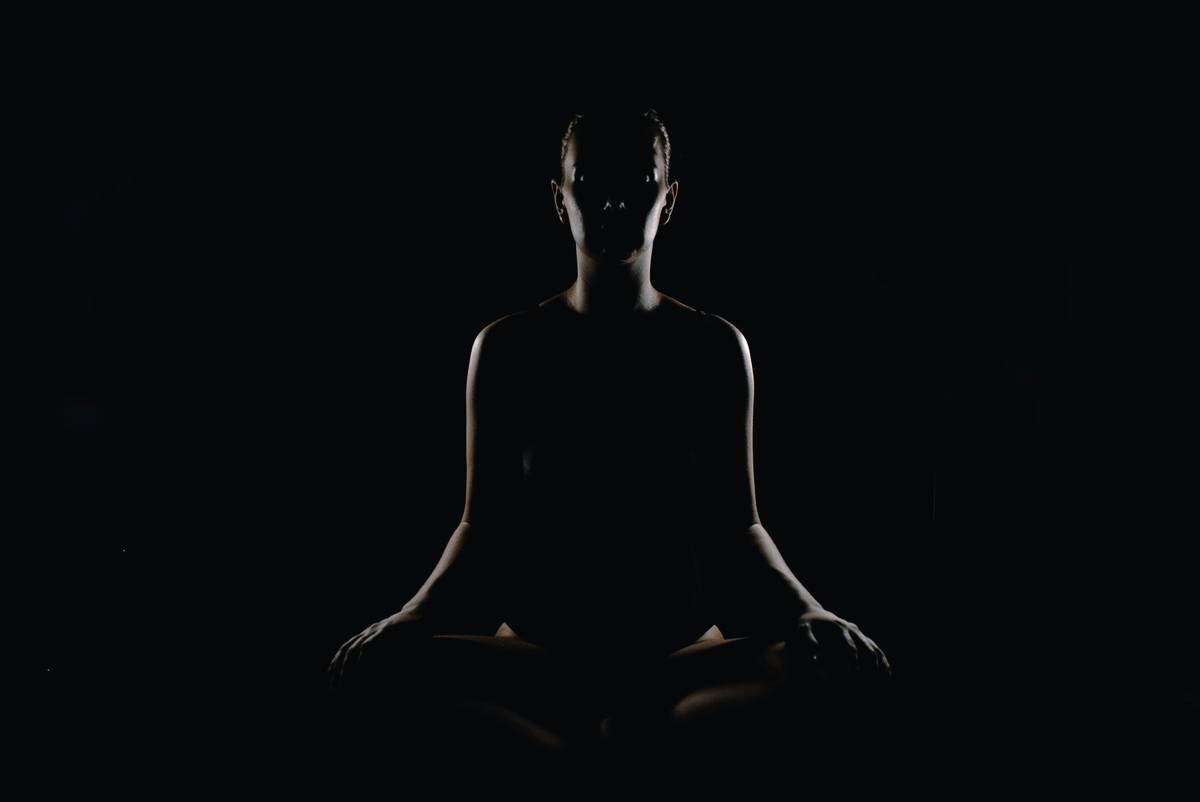
Your 3-Step Easy Meditation for Beginners
Forget hour-long sits. Start here—with zero gear and total forgiveness.
Step 1: Anchor Your Attention (Not Your Thoughts)
Pick one sensory anchor: your breath at the nostrils, the rise/fall of your belly, or ambient sounds. When your mind drifts (it will), gently return—without scolding yourself. Think of it like training a puppy: kind redirection, not punishment.
Optimist You: “Every time I notice I’m distracted, I’m strengthening my focus muscle!”
Grumpy You: “Ugh, fine—but only if I can do it lying down after my third espresso.”
Step 2: Set a Timer for 3 Minutes (Seriously)
Use your phone timer. No fancy apps needed yet. Short sessions build confidence. Research from the University of California shows 3-minute meditations activate the prefrontal cortex—the brain’s “calm center”—as effectively as longer ones for beginners.
Step 3: End With One Word of Kindness
When the timer chimes, whisper or think: “Thank you.” Not for “doing it right,” but for showing up. This tiny ritual builds self-trust—critical for long-term habit formation.
5 Best Practices That Actually Work
- Mediate before checking your phone. First thing = fewer distractions and higher consistency (Stanford Habit Lab, 2022).
- Don’t chase “bliss.” Calm may come later. Early sessions often feel boring, restless, or frustrating—that’s neural rewiring in action.
- Pair it with an existing habit. “After I brush my teeth, I meditate for 3 minutes.” Habit stacking increases adherence by 300% (European Journal of Social Psychology).
- Track streaks, not depth. Use a paper calendar: mark an X each day you meditate. Don’t break the chain.
- Embrace “bad” sessions. The day you meditate while stressed, tired, or annoyed? That’s the most valuable session.
🚫 TERRIBLE TIP DISCLAIMER: “Just clear your mind completely.” Nope. Even monks don’t do that. Your job is to notice—not erase.
From Overthinker to Meditator: Real Beginner Wins
Case Study: Maya, 29, Graphic Designer
Maya tried meditation three times before. “I’d sit for 20 minutes, hate every second, then quit.” On her fourth attempt, she started with 90 seconds while her kettle boiled. Within two weeks, she noticed she paused before snapping at her roommate. “It wasn’t magic—it was muscle memory.” After 30 days, she upgraded to 5 minutes. Six months later? She leads lunchtime meditations at her studio.
My Own Confessional Fail:
I once meditated in a silent retreat convinced I was “advanced”… only to spend 45 minutes mentally drafting an angry email to my landlord. Instead of quitting, I laughed—and wrote “thoughts are weather, not identity” on my notebook. That became my teaching mantra.
FAQs About Starting Meditation
Do I need special equipment?
Nope. A chair, cushion, or even your bed works. Comfort > tradition. Avoid lying flat if you tend to fall asleep—but if that’s all you’ve got, do it.
How soon will I see benefits?
Many report feeling slightly calmer after 3–5 sessions. Measurable changes in attention and emotional regulation appear around day 10–14 with daily practice (per fMRI studies from Harvard).
What if I fall asleep?
Common! Especially if you’re sleep-deprived. Try meditating upright or after waking. If you consistently doze off, consider it your body’s signal: maybe you need more rest first.
Is it religious?
Mindfulness meditation as taught in secular programs (like MBSR) is evidence-based and non-religious. You’re training attention—not adopting beliefs.
Can I meditate with background noise?
Absolutely. In fact, urban sounds (traffic, chatter) can become part of your practice. Notice them without labeling “good” or “bad.”
Conclusion
Easy meditation for beginners isn’t about perfection—it’s about presence. You don’t need to silence your mind. You just need to show up, notice where your attention goes, and gently return. Again and again.
Start small. Be stubbornly kind to yourself. And remember: the moment you realize you’ve been distracted? That’s not failure. That’s the exact moment you’re meditating.
Now go sit for three minutes. Your future self—who reacts less and responds more—will thank you.
Like a 2000s AIM away message: “BRB, finding my breath.”