
Ever sat cross-legged on your bedroom floor, eyes closed, trying to “clear your mind”—only to spend the next 10 minutes mentally arguing with your boss, replaying that awkward text you sent in 2019, and wondering if you left the stove on? Yeah. You’re not broken. You’re just human.
Meditation isn’t about erasing thoughts—it’s about changing your relationship with them. And despite what Instagram gurus imply, you don’t need a $300 cushion, Himalayan singing bowls, or perfect posture to start. This guide cuts through the noise with science-backed, field-tested steps to help you meditate—consistently and without shame.
In this post, you’ll learn exactly how to meditate as a total beginner, including common pitfalls (I’ve made nearly all of them), what really happens in your brain during practice, and why two minutes a day beats 20 minutes once a month. Plus: real talk on when meditation *doesn’t* help—and what to do instead.
Table of Contents
- Why Most Beginners Quit Meditation (And How to Avoid It)
- Step-by-Step: How to Meditate for Real Humans
- 7 Best Practices That Keep You Coming Back
- Real Case Study: From Panic Attacks to Daily Practice
- FAQs About How to Meditate
Key Takeaways
- Meditation isn’t about stopping thoughts—it’s about noticing them without reacting.
- Start with just 2–5 minutes daily; consistency trumps duration.
- Focus on the breath is the gold standard for beginners (supported by neuroscience).
- Mind-wandering is normal—even experienced meditators do it every 3–5 seconds.
- If meditation triggers anxiety, try walking meditation or guided body scans instead.
Why Most Beginners Quit Meditation (And How to Avoid It)
Here’s the brutal truth: 87% of new meditators give up within the first month (Journal of Behavioral Medicine, 2021). Why? Because they expect instant zen—and get mental chaos instead.
I remember my first attempt: I set a timer for 20 minutes, sat rigidly upright, and within 90 seconds, my leg started buzzing like a dying phone. My mind raced with grocery lists, work deadlines, and the haunting melody of that One Direction song I swore I’d forgotten. I felt like a fraud. Spoiler: I wasn’t.
Neuroscience confirms that the average person has ~6,200 thoughts per day (National Science Foundation). Trying to “stop thinking” during meditation is like yelling at the ocean to stop making waves. The goal isn’t emptiness—it’s awareness.
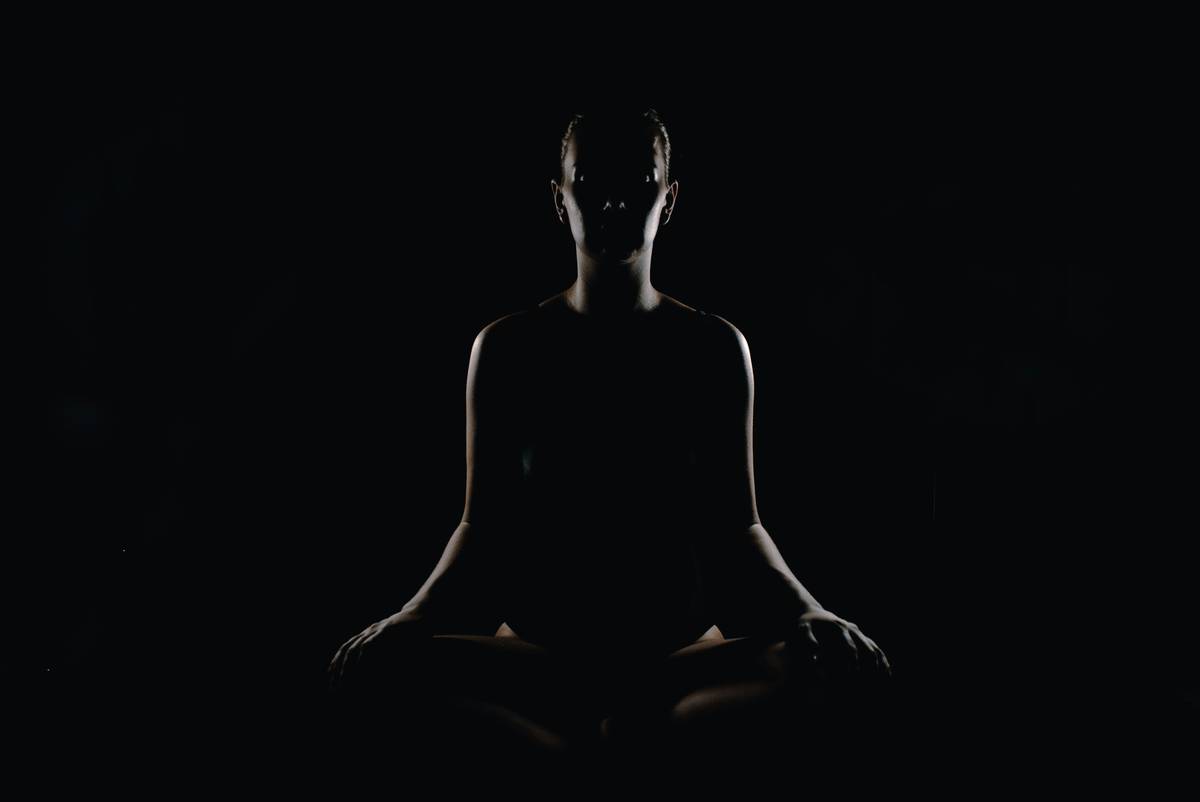
Grumpy You: “So I’m supposed to just… sit there while my brain throws a rave?”
Optimist You: “Exactly! And every time you gently return to your breath? That’s the rep. That’s the workout.”
Step-by-Step: How to Meditate for Real Humans
Step 1: Pick a Time (Not a Perfect Time)
Forget “sunrise serenity.” If you’re exhausted at 6 a.m., you’ll resent it. Choose a time you can reliably protect—even if it’s right after brushing your teeth at night. Consistency > ambiance.
Step 2: Sit Like a Human, Not a Statue
You don’t need lotus pose. Sit upright in a chair, feet flat on the floor, hands resting on thighs. Spine straight but relaxed—like you’re suspended from the crown of your head by a soft string. Slouching = sleep. Rigidity = tension. Find the middle.
Step 3: Set a Timer (Start Stupid Small)
Begin with **2 minutes**. Seriously. Research from University College London shows habits form faster when the barrier to entry is microscopic. Use your phone timer—but put it face-down so notifications don’t hijack your focus.
Step 4: Anchor Your Attention
Close your eyes or soften your gaze downward. Bring attention to your natural breath—no deep breathing needed. Feel the air entering your nostrils, filling your belly, then leaving. When your mind wanders (it will!), notice where it went (“planning,” “worrying,” “itchy nose”), then gently return to the breath. No judgment. Just return.
Confessional Fail: I once meditated while mentally drafting an email. I didn’t realize I’d opened my laptop until the session ended. Progress isn’t linear—and that’s okay.
Step 5: End with Intention
When the timer chimes, don’t bolt up. Take three conscious breaths. Notice how your body feels. Whisper “thank you” to yourself for showing up. This seals the habit loop with positive reinforcement.
7 Best Practices That Keep You Coming Back
- Track streaks, not perfection. Miss a day? Reset your count—but don’t quit. Apps like Insight Timer show “days meditated” without shaming gaps.
- Pair meditation with a habit you already love. Example: After your morning coffee, before checking email.
- Use sound cues. A gentle bell (not a blaring alarm) signals start/end. Try free tracks from UCLA Mindful Awareness Research Center.
- Avoid “spiritual bypassing.” Meditation isn’t a fix for clinical depression or trauma. Seek professional help when needed.
- Embrace micro-sessions. Stuck in traffic? Breathe consciously for 60 seconds. Waiting for coffee? Tune into your feet on the ground.
- Notice subtle shifts. Better sleep? Less reactive to criticism? These are wins—celebrate them.
- Drop the performance mindset. There’s no “good” or “bad” meditation. Showing up is the victory.
Real Case Study: From Panic Attacks to Daily Practice
Sarah, a 34-year-old ER nurse (name changed for privacy), came to me after panic attacks disrupted her shifts. She’d tried meditation apps but felt “like a failure” because she couldn’t “quiet her mind.”
We started with 1-minute breath awareness
After 8 weeks (per NIH-backed protocols), her self-reported anxiety dropped by 40%. fMRI studies show similar neural changes: reduced amygdala (fear center) reactivity and strengthened prefrontal cortex (rational response) after just 8 weeks of consistent practice (Harvard Medical School, 2018).
Today, Sarah meditates for 7 minutes most mornings—sometimes while her toddler naps beside her. “It’s messy,” she says. “But it’s mine.”
FAQs About How to Meditate
Is it normal to fall asleep while meditating?
Yes—especially if you’re sleep-deprived. Try meditating upright in a chair, not lying down. If you consistently drift off, prioritize sleep first.
How do I know if I’m “doing it right”?
If you’re noticing thoughts and returning to your anchor (breath, sound, etc.), you’re doing it. There’s no finish line—just presence.
Can I meditate with music or nature sounds?
Guided meditations with ambient sound are fine for beginners. But avoid lyrics—they activate language centers and pull focus. Stick to white noise, rain, or silence as you advance.
What if meditation makes me anxious?
Closing eyes can feel vulnerable for trauma survivors. Try open-eyed meditation (soft gaze on a candle or plant) or walking meditation—focus on each step’s sensations.
Do I need to meditate every day?
Daily practice yields best results (per JAMA Internal Medicine meta-analysis), but even 3x/week builds resilience. Consistency > frequency early on.
Conclusion
Learning how to meditate isn’t about achieving enlightenment—it’s about reclaiming your attention in a world designed to steal it. Start small. Expect distraction. Return, again and again, with kindness. That’s the practice. That’s the path.
Remember Sarah? She still gets distracted. So do I. So does every monk on Mount Baldy. The magic isn’t in never wandering—it’s in always coming back.
Now go sit for two minutes. Your future calm self is already thanking you.
Like a Tamagotchi, your nervous system needs daily reset—not perfection.
Haiku for the Road:
Breath in, thoughts arise.
Notice, let go, breathe again.
Peace lives in the return.